
Seeking Innovation? Hire a JBE

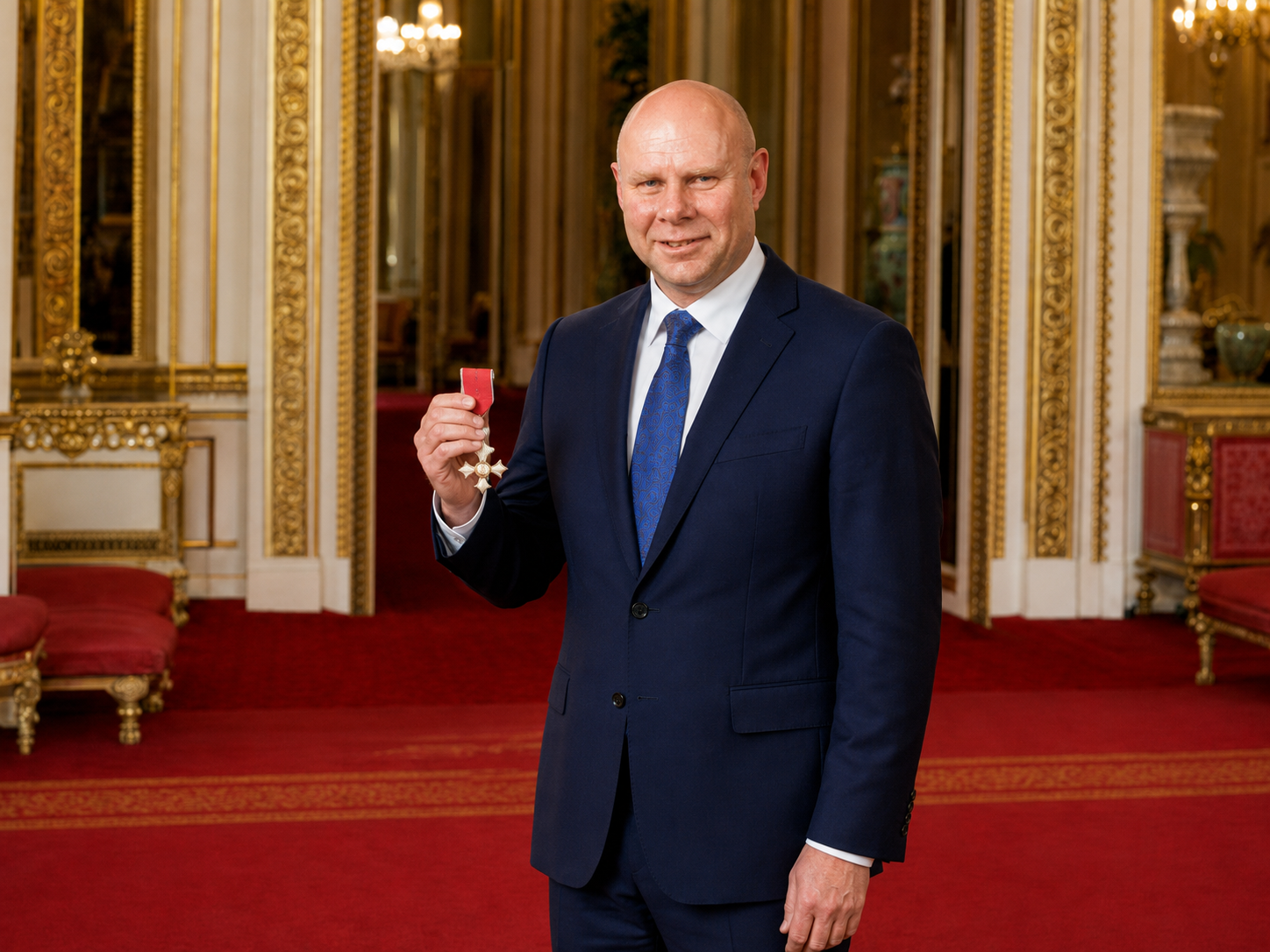
Many worthy British citizens have been knighted, awarded a CBE, OBE or even an MBE by Royal Decree, but few have the esteemed privilege of receiving a JBE.

Those who receive this unique and prestigious recognition that is awarded by the King, and only by the King, know, and appreciate what it truly represents.

The letters JBE stand for ‘Jester of the British Empire’. The small number of recipients of this prized award are in high demand in the corporate and government arena as it signifies that the individual is indeed a most creative person and one that can drive and stimulate a culture of innovation.

So how does one recognise the personal traits of a JBE recipient?

There are numerous clues that indicate that a JBE may be working in your corporate office, even if they may be operating in a most surreptitious manner. Some of these are, but not indeed limited to; the writing of numerous blog posts that may appear quite tongue in cheek, the wearing of many a paisley shirt, complete with copious coloured hats and berets, all done with the intent of making their fellow employees think just that little bit differently and to have some fun.

The learning from all this calculated, and most devious JBE methodology, is that innovation in the corporate office can only exist if there is one key ingredient, that being “fun”. Yes, a JBE knows that the root of all creativity is the ability to have fun, to have an office environment where humour is the welcome catalyst that continually rejuvenates itself, and which unknowingly morphs into the personalities of all willing employees. The result being true innovation.

But fun takes skill and continual practice, and that’s where the strength of the JBE comes into play. These seemingly oddly behaving individuals look at current corporate work practices through a unique analysis lens, one which constantly challenge the boring status quo of the organization, and is done in a way that is rooted on the basic need for humour, and lots of it.  

So, if your organization is lacking in innovation, feel free to contact me. Afterall, I am a Jester of the British Empire, and I’m immensely proud to be so.

Steven Cramer JBE

PS: The JBE award is only fictitious at this stage, but who knows what may occur in the future?

Souvenirs of Business Exploration

NLDK_DE10_BrakeLookout.jpg

Centuries ago, the role of the Explorer provided many governments and monarchies in power with a strategic and valued opportunity to learn about new civilizations and philosophies. The Explorer’s discoveries and insights led to the establishment of a variety of new and powerful trading colonies that provided economic opportunities for financial gain and cultural exchange.

History provides much detail about the exploits of these Explorers, and the personal characteristics, traits and resilience required to be successful in this role. But have we considered how their experiences influenced their home life and those that frequented this establishment?

If any of you have travelled overseas, or extensively within your own country, you have most likely gathered a large array of souvenirs to remind you of where you have been. I suspect, that this would be the same situation for the Explorer.

The Explorer’s home would be a kaleidoscope of souvenirs from all around the world which when prompted by the visitor inquiring on the specific artefact, would initiate a masterful story of how it was obtained. I’m sure that many an informative dialog over a most enjoyable dinner party with a group of attentive guests would have prevailed. Those partaking of the experience would propagate this novel information with their family and friends leading to an expanded and continued dissemination of this new worldly knowledge.

Let’s now focus our attention on how this can be applied in the corporate office.

In business, although the official title of “Explorer” does not currently exist, many employees have this activity as part of their work function (eg New Business Development, R&T, Marketing, Finance, etc). However, what is lacking is the opportunity for the “Business Explorer” to furnish their travelling exploits back in the corporate office. There is no dedicated “Explorer’s Room” in which business souvenirs and other impressive booty can be pinned to the wall or placed on a mantelpiece above the fire, just like in the Explorer’s home to prompt further discussion and interest. Some organizations try to do this via visit reports and other office communications, but the impact is quickly lost, particularly with the continual bombarding of daily E-mails.

So why not establish an “Explorer’s Room” (or wall, if space is limited) in the corporate office that is dedicated to the “Business Explorer”? Just like in the Explorer’s home, these souvenirs of external inspiration and travels could then be discussed and shared with other employees in an informal setting, maybe over lunch, to generate interaction and dialog. For those businesses with many offices, why not have a virtual “Explorer’s Room” and schedule employee discussion via webcasts? Who knows what creative and innovative ideas might be developed?

The first step is to recognise the importance of the role of the “Business Explorer” in your organization in seeking out and identifying new ideas that are not currently in operation in your organization.

The second step is to then share these “souvenirs” with the rest of the business. To do this, consider the establishment of the “Explorer’s Room”.

The third step, and most important, is to have business leaders in the organization tasked with actioning the key learnings generated from these “souvenirs”. However, these leaders need to have vision, be bold and progressive, and dare to be different. For the Explorers of yesteryear, these people were typically the King or Queen, once they had made a decision to proceed, no bureaucracy dared to stand in the way of implementation!