
It’s Just a Little Snip

Sometimes, a little snip is necessary, even though it may seem a tad painful to the recipient.

Yes, I’m talking about plants, but the corollary to some unproductive work colleagues may also be applicable.

Consider the rose bush which requires an annual hard prune, intertwined with the occasional cutting tweak throughout the year to achieve its maximum blooming potential. Why the need to prune? Well, it is said to; eliminate that recalcitrant dead wood that has a habit of restricting new growth, discards damaged branches that drain limited plant resources, and it also stops infections from spreading, just to name a few.  

Now for those working in the corporate office, this pruning activity does indeed sound beneficial, even if you have never practiced this skill on an actual rose bush.

No, I’m not at all suggesting that you physically prune anyone, particularly as it will result in you experiencing a lengthy time in jail. However, there are some procedural learnings that if followed will assist in your business having a much rosier future.

  1. Remove Dead Wood – these employees are typically blockers that will be a source of frustration for your better workers.
  2. Discard Damaged Branches – these employees are a massive drain on limited resources.
  3. Infections – some bad employees can quickly contaminate others with their negativity so it’s best to eliminate them quickly before it spreads.

Your roses will also need some inspiration. For the rose bush this comes in the form of fertilizer, for your employees, I would suggest you follow a less smelly approach. Maybe a dose of training, education, or mentoring that is regularly applied throughout the year.

Try the above simple methodology in your workplace and I’m confident that the results will be readily achieved.

You can then sit back, put your feet on your desk, and more importantly, have time to smell the roses.
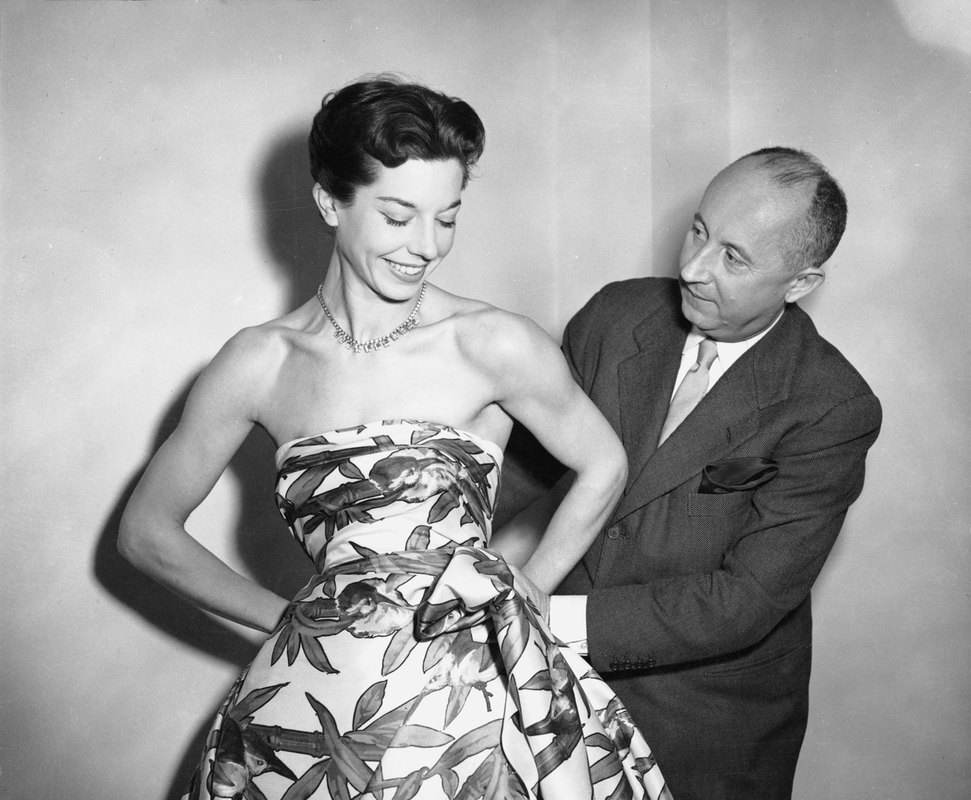
Enduring Fashionable Zest

Dior

The year is 1947 and through the immaculately clean window from my petite flower shop at 27 Avenue Montaigne in Paris I can see many fashionably dressed women quickly making their way to work. The blooms in my shop front comfortably merge in colour with the stylish array of dresses, jackets and skirts that complement the confident “zest” portrayed by the chic wearer. Those lucky enough to spy a fleeting glance of these impeccably dressed women can do nothing but smile in awe of their radiance.

Later that morning, a man exquisitely dressed in a dark grey suit embellishing a bright pocket-handkerchief, white shirt, designer silk tie, and short shaved hair, quietly walks into his haute couture office directly office my flower shop. He sees me peering out at him and gives me a salutary hand wave confirming our long-standing friendship. To me, he is just Christian, to others; he is Christian Dior, from the House of Dior.

Christian is a world renowned master of his trade, and a man that has the innate ability to make everyone that wears his designer clothes, or sees someone in them, feel immediately good about themselves. This positive influence is not short lived, but enduring.

When buying some roses in my shop one day, Christian mentioned that “Zest is the secret of all beauty. There is no beauty that is attractive without zest”. The word “zest” stayed with me for many years and I believe was the fundamental key to his remarkable fashion and business success.

Now for those of you in the corporate office reading this blog post, the word “zest” provides you with an important clue to attaining your own business innovation. Should you want to drive a creative culture in your organisation, you need your employees to have that “zest” sensation that continually inspires and refreshes them with ongoing personal confidence and style. Your business needs to be relentlessly crafting a brand and persona that mentally illuminates your employee’s work environment. After all, where would the House of Dior be if Christian only had one dress style and colour? The answer would be boring and disillusioned staff and customers, and a business that would quickly cease to exist.

So, if you want innovation, make sure you have enduring “zest” that never goes out of fashion.